Profile & History
CARE Burundi was one of the first Country Offices to adopt the Program Approach in 2009 and then to undertake a Country Presence Review in 2011. Between 2011 and 2014, it underwent a major structural transformation, embracing fully a light footprint model, a dynamic strategic partnership process and new roles and functions focusing on stimulation and reinforcement of civil society, advocacy, the emergence of social movements, impact measurement, and systematic learning and refinement of intervention models. CARE Burundi’s program is now almost entirely implemented by a set of 22 partners and its initiatives are designed and implemented in collaboration with these partners who have enriched it substantially.
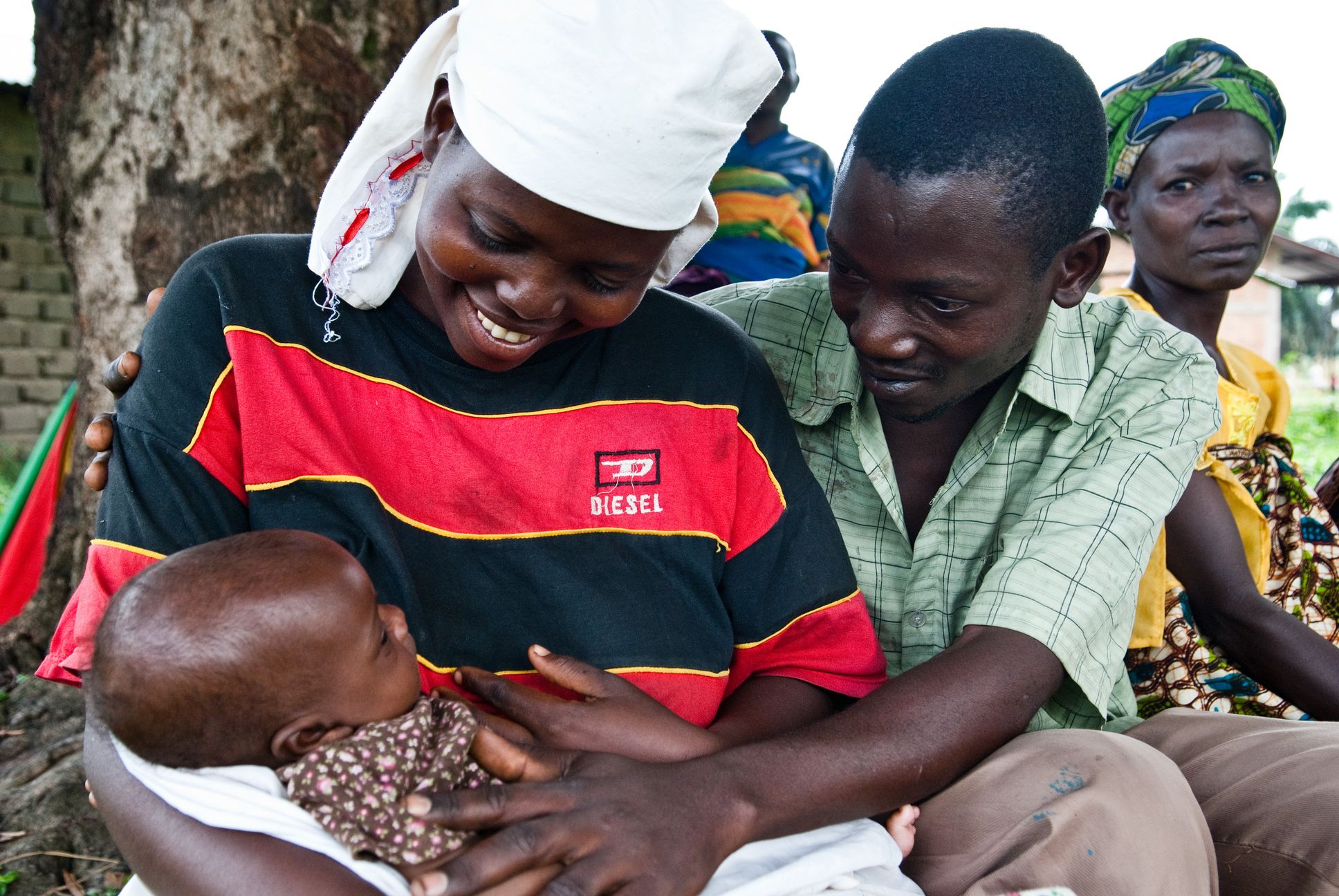
CARE Burundi is appreciated for its neutrality, its commitment to its principles and its partnership approach, and is recognized as one of a few international NGOs systematically addressing the deep-rooted societal and cultural issues behind the violation of the rights of vulnerable women in Burundi. Years of reflection and learning integrated into the design of its programs make CARE uniquely able to tackle the challenges of implementing a truly transformative program. CARE and its partners have a range of innovative, proven, scalable and replicable programming approaches with real potential to facilitate gender transformation.
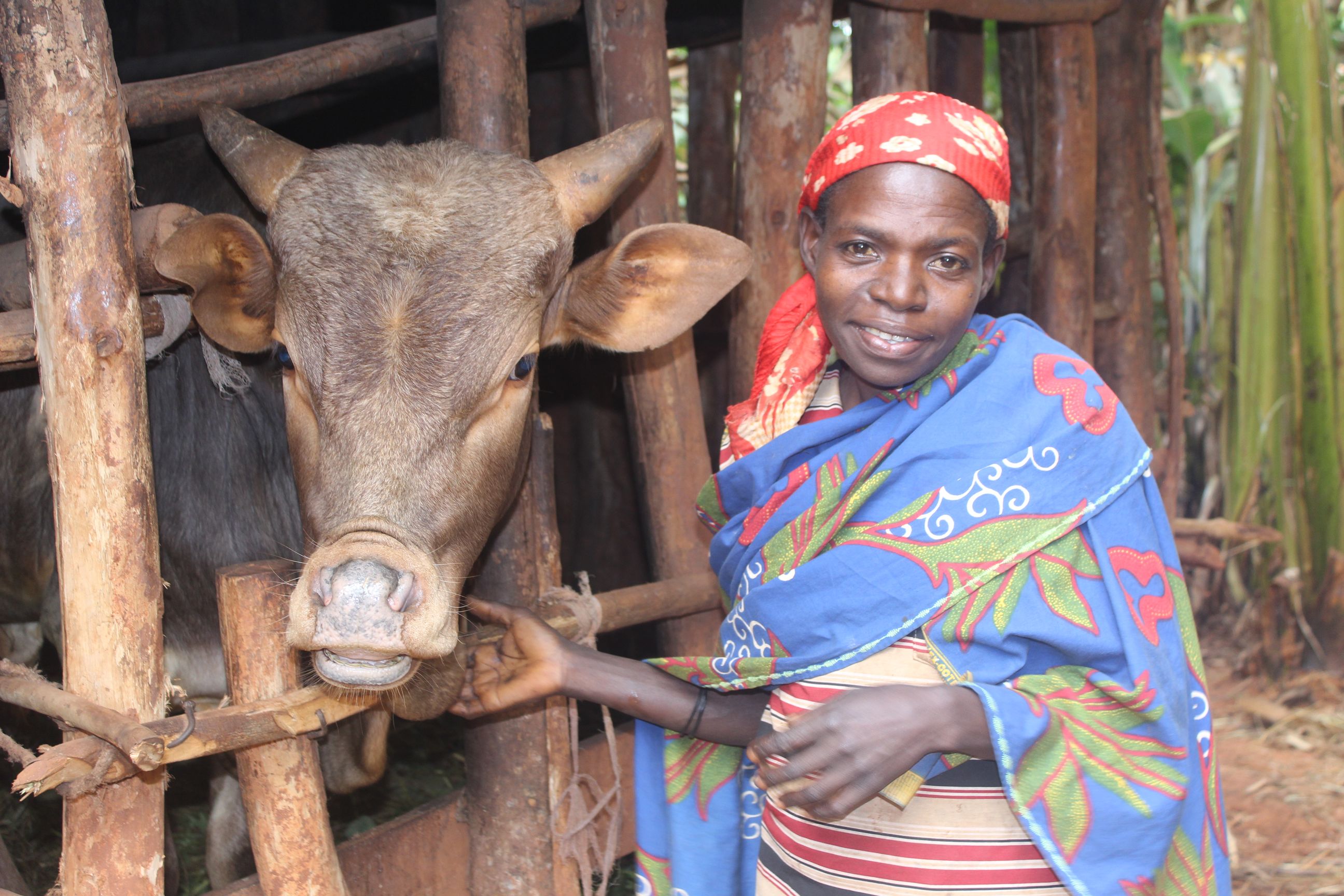
CARE Burundi also has a long experience in working with and building capacity of CSOs, and has been increasingly working in coalitions and alliances, including the government, to tackle the complex issues that define poverty and vulnerability in the country, and is unique in proposing a rights’ based approach to addressing these issues. Burundi is among the few poorest countries in the world on all indicators. The recent rekindling of political instability, violence and insecurity is beginning to reverse the modest gains of the past decade and, by creating a climate of fear and repression, is all but silencing media and the voice of civil society, making it difficult to mobilize it, even around legitimate advocacy issues that are now perceived with suspicion. Fiscal and security concerns of the Government are also generating Increasingly restrictive measures to recover revenue put additional obstacles in operations. This also makes the donor environment highly unstable as many donors have imposed sanctions on the country or are reluctant to invest at this time.
Despite these difficulties, CARE Burundi has been able to maintain funding at about 6 million USD per year, mostly from the Netherlands (53%), Norway (29%) and Master Card Foundation (15%), but it is getting increasingly difficult to mobilize funding and this calls for a more systematic and creative funding strategy.